Nervous System
The human nervous system consist of three functional subsystems, the central nervous system, functional nervous, system, and autonomous nervous system. brain and spinal cord make Central Nervous System(CNS). The Peripheral Nervous System includes all the nerve pathways of the body outside the brain and spinal cord. These pathways are divided into two parts. These are the sensory pathways and motor pathways. Sensory pathways transmit information to CNS(Central Nervous System). the motor pathways transmit commands from the CNS.

The motor pathways are partitioned into somatic nervous system which relay to commands to skeletal muscles and Automatic nervous that stimulates the glads and other muscles of the body. In addition there is a neuroendocrine system which is a network of endocrine glands whose hormone production controlled by CNS.
Neuron is the structural and fictional part of the nervous system . It is the largest cell found in the body. The neuron has three components cell body, axon, dendrites. The functional junction between neurons is called synapse. Largest number of cell bodies of neuron found in the brain. Nervous system and endocrine system are two communication systems formed in the human body. Nervous system only found in the animal body not in plants.
Neurology is the study of nervous system including receptors. All function of the body are regulated, integrated and co-ordinates by the neuroendocrine system.nervous system develops from ectoderm. The information passing through the neurons in the form of chemical and electrical signals called as nerve impulse.
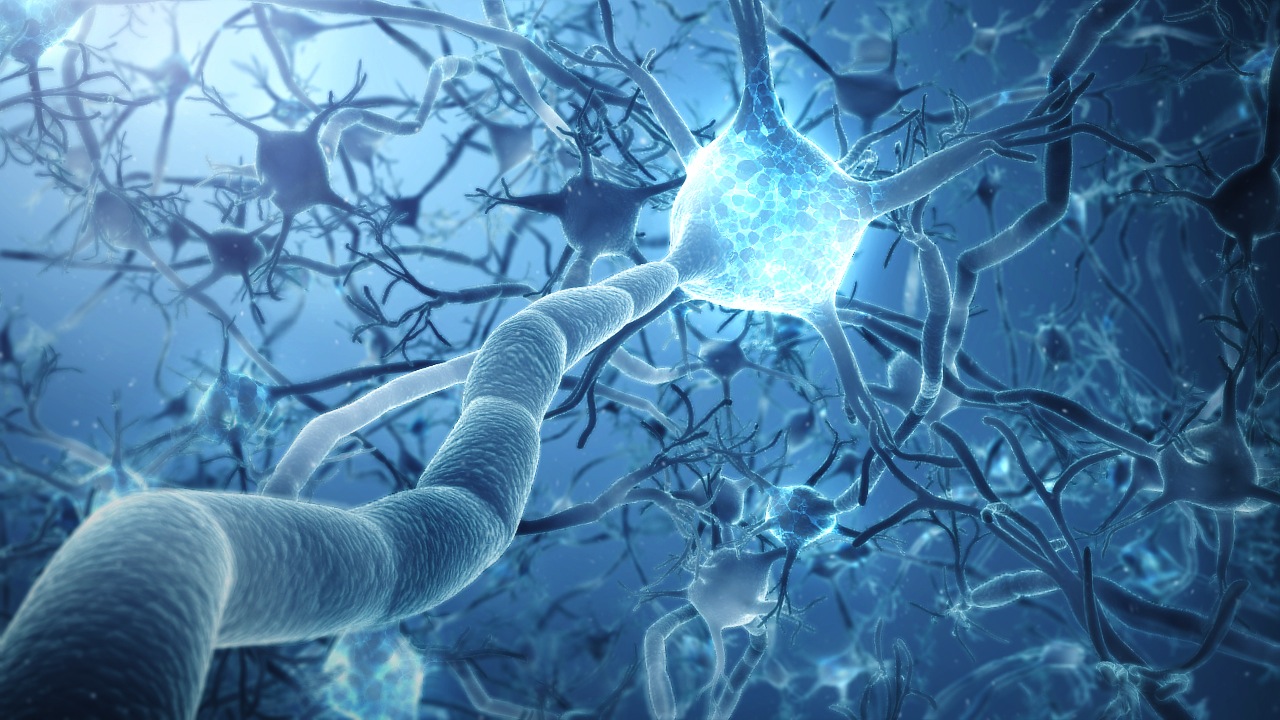
Neuron structure
Central Nervous System : It is the main switch board which controls the body action. All nerve formed before birth and grow up to the age of 5 years and stop by 19-20 years. It consumes 20% of oxygen inhaled and 20% of glucose intake. It consist of brain and spinal cord. Central Nervous system is mostly made up of associated neurons.


Comments
Post a Comment